

Is a Long-Term Car Rental Right for You? Seven Questions to Ask First

Intended reader: A Dallas-area resident who needs a car for several weeks or longer
Question answered: How do I decide whether a long-term rental fits my schedule and budget?
Quick takeaway: A long-term rental can be useful when you need a car now but aren’t ready to buy or commit to a longer arrangement. The right choice depends on your total cost, expected mileage, payment schedule, and how much flexibility you need.
Maybe your car is in the shop. Maybe you’ve recently moved to Dallas. Or perhaps your work schedule has changed and borrowing a car or arranging rides every day has become difficult.
When you need transportation for more than a weekend, it’s tempting to compare options by one number: the daily rate. That number matters, but it does not tell the whole story. Ask these seven questions before choosing a long-term rental.
1. How long do I actually need the car?
Start with your best estimate, even if the exact end date is uncertain. Is this a two-week bridge while your vehicle is repaired? A month while you settle into a new job? An open-ended need that could last several months?
Write down your earliest likely return date and the date you might need the car until. Then ask how the rental would work in both cases. A plan that suits a short stay may feel expensive or inconvenient if you need to extend it repeatedly.
2. What is the full cost for my expected period?
Request a quote for the entire time you expect to rent, including applicable taxes, protection options, delivery charges, and other required costs. Ask how often payment is due and whether the quoted rate changes if your rental length changes.
The Federal Trade Commission recommends comparing the total rental cost and reviewing possible added charges, rather than judging an offer only by its advertised rate. Consumer Advice
To compare your choices fairly, estimate what you would spend over the same period on rides, another rental, or a vehicle you own. Include the costs that apply to each option. A clear weekly or monthly total is more useful than a daily price viewed in isolation.
3. How many miles will I drive?
Think through an ordinary week: commuting, school drop-offs, grocery trips, appointments, and visits across the Dallas area. Then add any longer drives you already know about.
Ask whether your rental has a mileage allowance and what happens if you exceed it. A rate that looks attractive for a short commute may work differently for someone who drives throughout the day. The FTC specifically recommends checking mileage terms when comparing rentals. Consumer Advice
If you expect to use the car for delivery, rideshare, or other commercial driving, say so before booking and ask whether that use is permitted under the specific agreement. Do not assume a standard personal rental covers it.
4. What flexibility do I need?
Your plans may change. Ask what happens if you need to extend, return early, or switch vehicles. Find out how far ahead you must request an extension and when it becomes effective.
Keep your reservation’s end date and time on your calendar. A conversation about extending is different from a confirmed extension. Getting the details in writing makes it easier for both you and the rental team to stay on the same page.
5. What am I responsible for while I have the car?
Read the rental agreement before committing. Pay particular attention to fuel, cleanliness, tolls, tickets, additional drivers, vehicle condition, and what to do if a warning light appears or the car has a problem.
Ask how maintenance and inspections are handled during a longer rental. You’ll be driving the vehicle for more than a quick trip, so you should know whom to contact and what information to provide if something needs attention.
6. What protection applies?
Terms such as “coverage,” “protection,” and “damage waiver” can mean different things. Ask what the rental’s protection option covers, what it excludes, and what amount you could owe if there is a claim.
Your personal auto policy or a payment card may offer some rental benefits, but eligibility and limits vary. Check directly with the provider of that benefit before relying on it. The FTC recommends reviewing existing coverage and asking questions when you are unsure. Consumer Advice
The goal is to understand your responsibility before you take the keys, not after something happens.
7. Does this solve my everyday transportation problem?
Picture a normal Tuesday, not just pickup day. Will the vehicle fit your passengers and belongings? Is its location convenient? Can you keep up with the payment schedule? Do the mileage and driver terms fit how you’ll use it?
If the answers are yes, a long-term rental may give you a practical way to stay mobile while your circumstances change. If the numbers or terms do not fit, it’s better to discover that before booking.
The best decision is the one you can comfortably use and afford for the whole rental period. Take a few minutes to compare a complete quote against your actual routine.
Need a car for more than a few days in Dallas? Tell JAPPii how long you expect to drive and how you’ll use the vehicle, and ask for the available options and full terms.
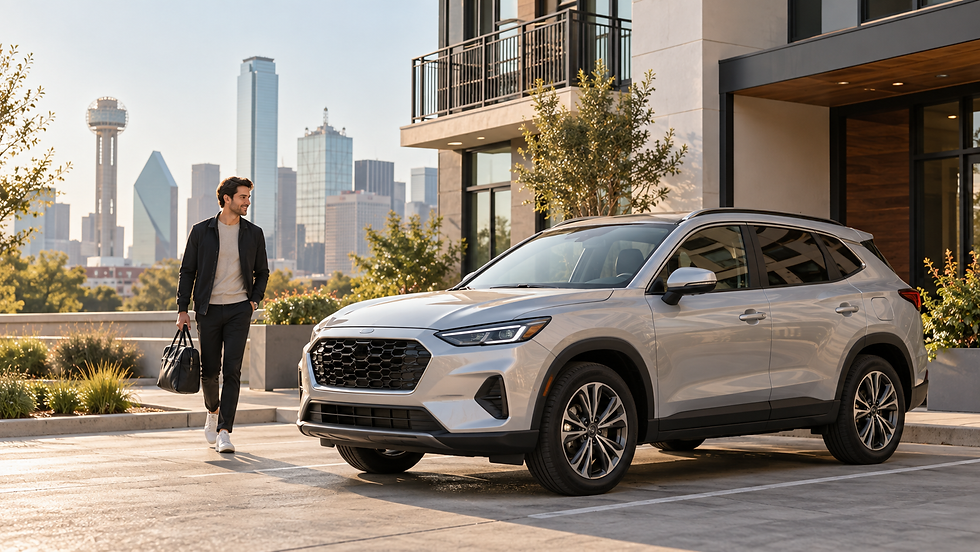
Featured image concept: An unbranded silver SUV outside a Dallas apartment building as a resident heads toward it with a work bag. The scene emphasizes everyday use rather than a vacation.


Comments